
A new kind of support.
A new kind of support. Smart Living offers a mix of assistive technology and remote support for daily living.
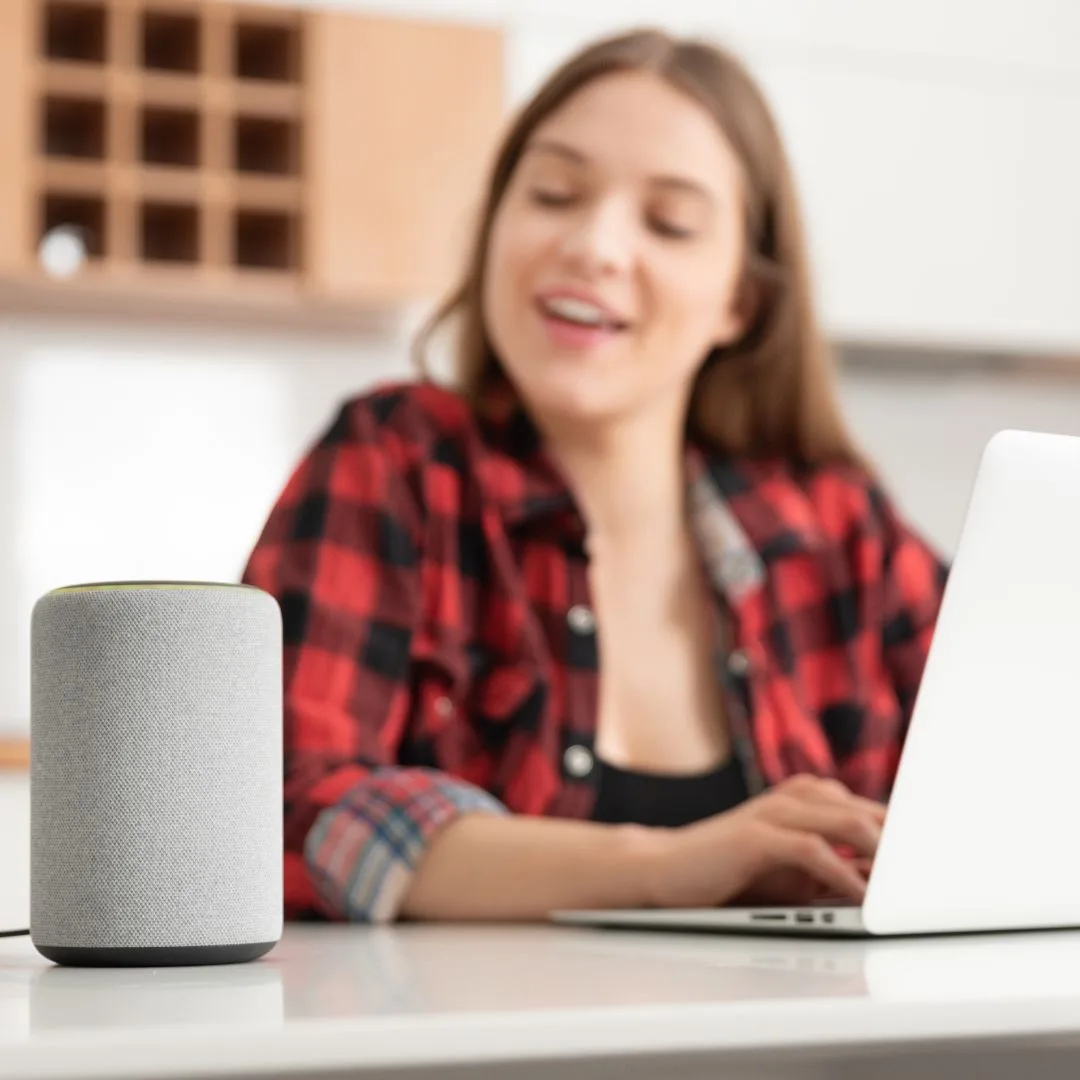
Designed for independence, built for support
Most housing options for young adults with disabilities are often framed as two extremes: living with family or moving into a group home. Family homes can be a strong foundation of support. At the same time, some young adults with disabilities want to build more independence and self-direction in a home of their own.
How Smart Living helps individuals thrive
Feel safe and supported
A unique blend of smart technology and human support give individuals the help they need, when they need it. From reminders and check-ins to emergency response, it’s the perfect mix of privacy and peace of mind.

Build new skills
With the help of smart devices and personal coaching, participants learn and practice the skills they need to live on their own – like cooking, budgeting, or managing their schedule.

Be where it's at
Smart Living can be accessed in family homes, independent apartments, or intentional communities. In intentional communities, Smart Living supports real life in safe, affordable neighborhoods within walking distance to shops, restaurants, public transportation, and employment opportunities.

Make new friends
Participants can connect with peers living nearby, join the local gym or attend neighborhood activities.
Key areas supported with tech + remote assistance
Two ways to access Smart Living

Move into an intentional neighborhood
Explore our tech-enabled Smart Living homes in Towson and other select locations across Maryland. They are located in local communities, and surrounded by all necessary amenities, shops, restaurants, and employment opportunities.
Smart Living supports in your own home
We can deliver Smart Living supports in private homes and supported living apartments throughout Maryland. Visit our demo apartment in Towson to see how it all works and discuss how technology can be personalized for you.
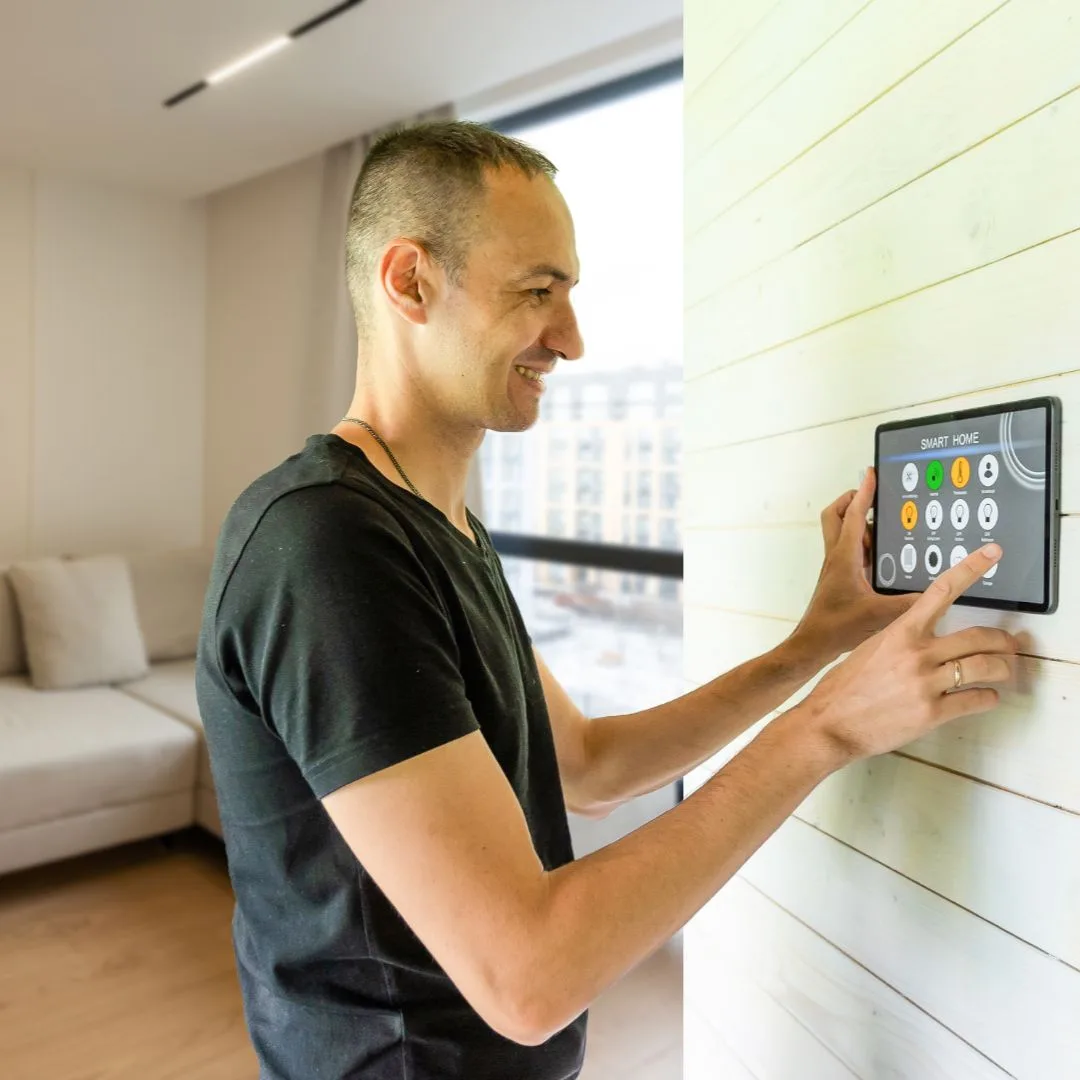
A good home for a good life
At Elevate Spectrum, we believe individuals can live independently in a safe, stable, and affordable home.
Smart Living offers just the right balance of supports that individuals need to build confidence and independence, on their own terms.
Our dedicated team have helped young men and women move into their own apartments since 2018. They go on to self-direct their own lives, and we continue to be inspired by their success stories.
Examples of assistive and enabling technology
Our team work with individuals and their support circle to assess technology and support needs, and create a technology integration plan that integrates with existing person-centered plans.
All devices are serviced and maintained regularly to ensure reliability, and backup systems are available for essential devices.

Communication hubs

Routine alerts

Audio & video supports
Home safety

Elopement prevention

Social connection

Medication dispensers

Environmental controls

Kitchen safety

Personalized transition to independent living
Our team is here to assist through the process, from finding a home and help with the paperwork to practical support when individuals move into their own home.
Some individuals end up using mostly technology and remote support once they’ve moved in; others combine Smart Living tech with drop-in supports or help from family members. What works today might also change over time, and Smart Living can adjust to reflect changing needs.
We are ATACP certified and work with participants and their circle of support (including family members and existing support staff) to review their person-centered plan and assess their technology needs.
Get supports in 3 easy steps:
1.
Find affordable housing
Our team helps to find housing in Baltimore County, Baltimore City or Howard County
2.
Get tech supports
Together, we review the person-centered plan and assess technology needs
3.
Move into new home
Our team installs the tech and sets up the instructions and reminders for remote supports and drop-ins