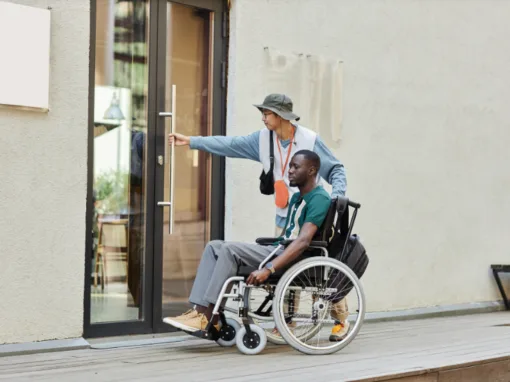
Independent living doesn’t mean doing everything alone.
For many autistic adults, independence looks like having choice, privacy, and control — with support available when it’s needed.
Families often imagine independent living as a sudden leap: moving out, managing everything perfectly, and never needing help. In reality, independence grows gradually, especially when it’s supported by the right structure.
That’s where supported living services play a vital role.
At Elevate Spectrum, we support autistic adults every day who want to live more independently without sacrificing safety, dignity, or connection. Through Smart Living and Supported Independent Living, individuals build real-world independence while receiving just-right support — whether they access services through Self-Directed or Traditional Provider models.
Let’s take a closer look at what independent living truly involves.
What Is the Meaning of Supported Living Services?
Supported living services are designed to help adults live in their own homes or apartments while receiving personalized support for daily life.
Rather than placing individuals in group facilities, supported living services focus on:
- Choice and autonomy
- Individualized support plans
- Skill-building in real-life settings
- Flexible, scalable assistance
Supported living services may include help with:
- Daily routines and scheduling
- Meal planning and household tasks
- Budgeting and bill management
- Transportation and community navigation
- Emotional regulation and problem-solving
At Elevate Spectrum, supported living services are rooted in respect — support is there to empower, not control.
What Is the Difference Between PSS and SLS?
Families often ask about the difference between Personal Supports Services (PSS) and Supported Living Services (SLS). While they overlap, they serve different purposes.
Personal Supports Services (PSS) ) typically focus on:
- Teaching specific life skills
- Time-limited coaching
- Skill practice without full housing support
Supported Living Services (SLS) go further by:
- Providing ongoing, individualized support
- Supporting adults within their own living spaces
- Adapting support as needs change over time
- Emphasizing long-term independence
Many adults benefit from both. Skills learned through PSS can be reinforced and sustained through Supported Living SErvices, creating a smooth path from learning to living.
Is There a Difference Between Assisted Living and Supported Living?
Yes — and the distinction is important.
Assisted living is often:
- Facility-based
- Designed for older adults or medical needs
- Highly structured with limited personal choice
Supported living services, by contrast:
- Are community-based
- Designed for adults with disabilities
- Center autonomy, choice, and personalization
- Focus on skill-building rather than supervision
For autistic adults, supported living services offer a more empowering model — one that respects independence while providing meaningful support.
What Independent Living Looks Like in Real Life
In practice, independent living supported by supported living services may look like:
- Living in an apartment or shared home
- Choosing daily routines and schedules
- Receiving check-ins or coaching as needed
- Practicing budgeting, cooking, and self-care
- Navigating work, day programs, and social life
- Building confidence over time
Programs like Smart Living provide tech-enabled supports, remote check-ins, and predictable routines, while Supported Independent Living offers hands-on coaching tailored to each individual’s goals.
Independent living isn’t about perfection. It’s about progress.
How MeaningfulDay Programs Support Independent Living
Strong supported living services work best when paired with meaningful daytime structure.
That’s where DayVentures plays a key role.
DayVentures supports adults by:
- Creating consistent daily routines
- Reinforcing life skills in the community
- Building confidence through structured activities
- Supporting social connection and engagement
When supported living services and day programs work together, adults experience greater stability, motivation, and independence.
How Elevate Spectrum Supports Independent Living
Elevate Spectrum offers a connected continuum of supported living services, including:
Smart Living
A tech-enabled housing model that supports independence while offering check-ins, routines, and on-demand support.
Supported Independent Living
Hands-on coaching focused on daily living, emotional regulation, and community navigation.
DayVentures
A flexible, community-based Meaningful Day Service that reinforces life skills and confidence during the day.
All services are designed to work seamlessly for adults in both Self-Directed and Traditional Provider models.
👉 Book an intro call to explore supported living services with Elevate Spectrum.
Frequently Asked Questions About Supported Living Services
Do supported living services mean someone is never alone?
No. Supported living services are flexible and tailored to each person’s comfort level and goals.
Can adults who already live independently use supported living services?
Yes. Many adults use supported living services to strengthen routines and prevent burnout.
Do supported living services limit independence?
No. When designed well, supported living services increase independence over time.
Independence Grows With the Right Support
Independent living doesn’t require doing everything alone. It requires the right supports, at the right time, in the right way.
Supported living services allow autistic adults to live full, autonomous lives while receiving the guidance they need to feel confident and safe.
✨ Book an intro call
✨ Learn about Smart Living and Supported Independent Living
✨ Explore how DayVentures supports independent living
Independence isn’t a destination. It’s a process — and supported living services make that process possible.